Customers act on Trust and Confidence

Track the signals that build credibility and make customers convert

Persuasion can attract attention, while Integrity and credibility sustain relationships. Paavis shows what makes customers trust businesses and believe their promises.

Paavis Insights

Research into the signals that drive decision

Paavis Insights identifies the signals people rely on when deciding whether to move forward.

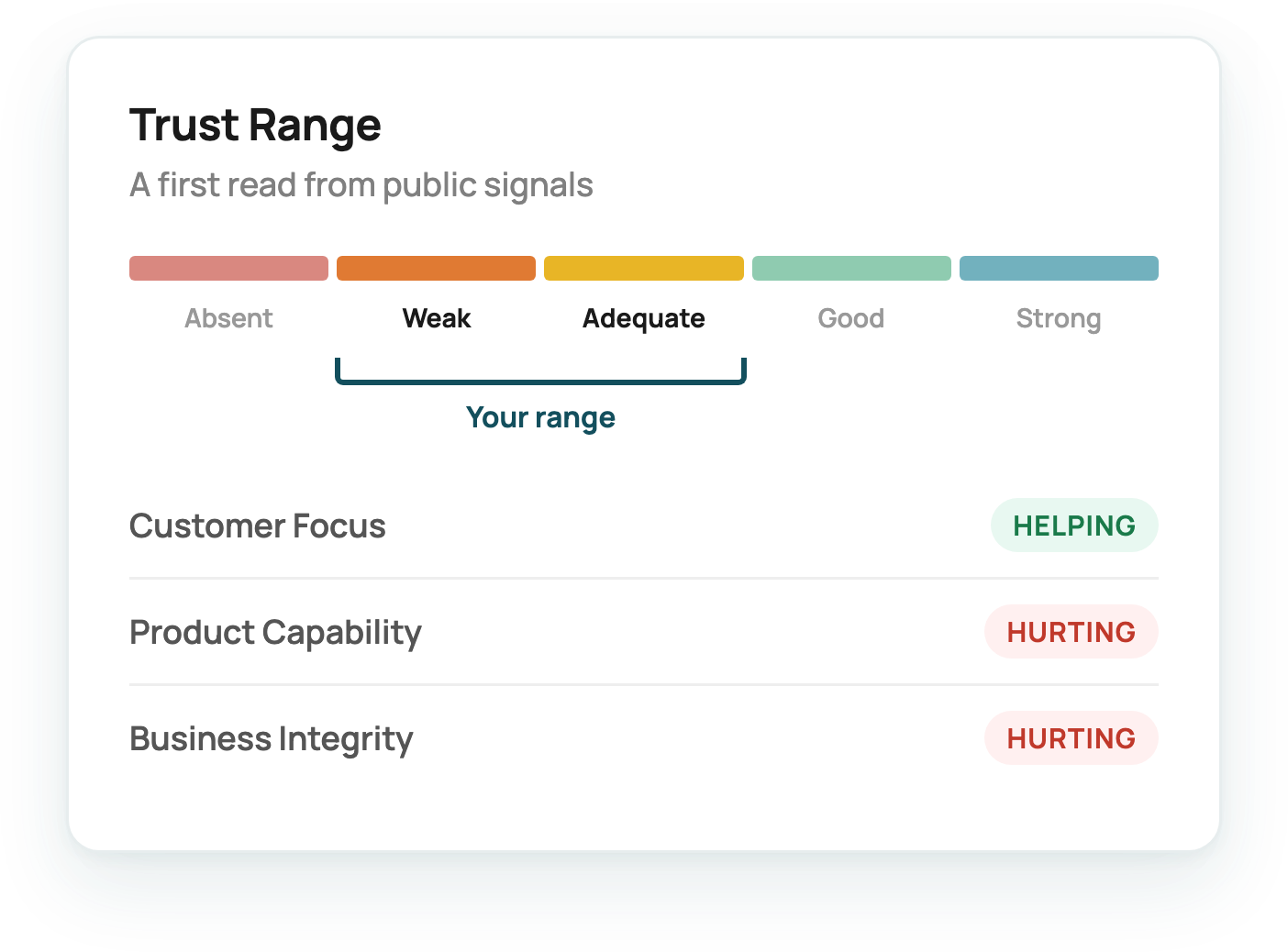
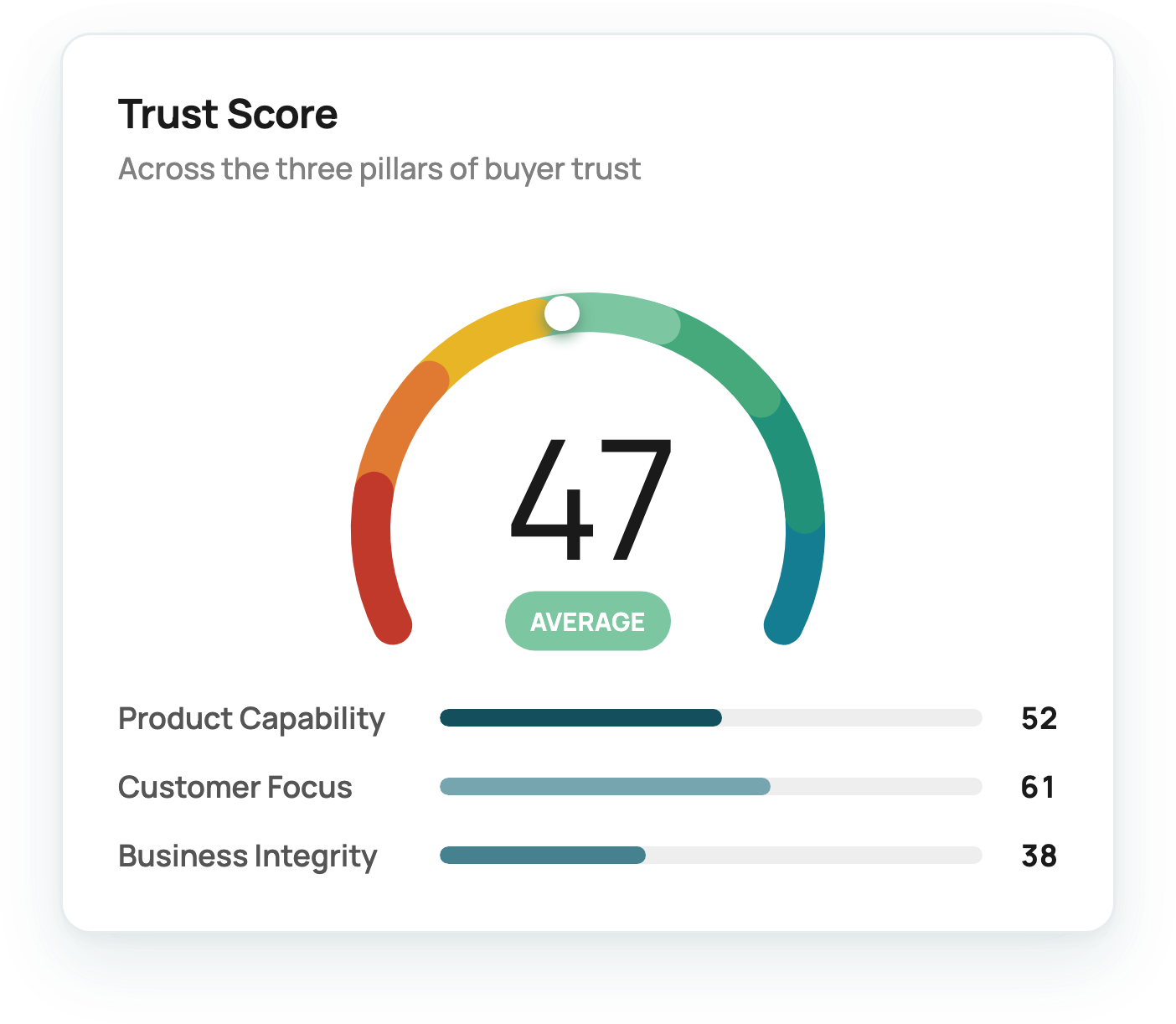
We reveal the signals builds trust, what strengthens confidence in your ability to help, and where hesitation begins.

These insights give leaders a clear foundation for improving conversion in ways that feel natural to customers and sustainable for the business.

Paavis Engine

Applying insight to real-world action

Deploying trust and confidence insights into creation of AI-powered tools and rapid feedback mechanisms.

We make tools such as instant feedback capture customer reactions in the moment, allowing teams to strengthen decision signals quickly and continuously.

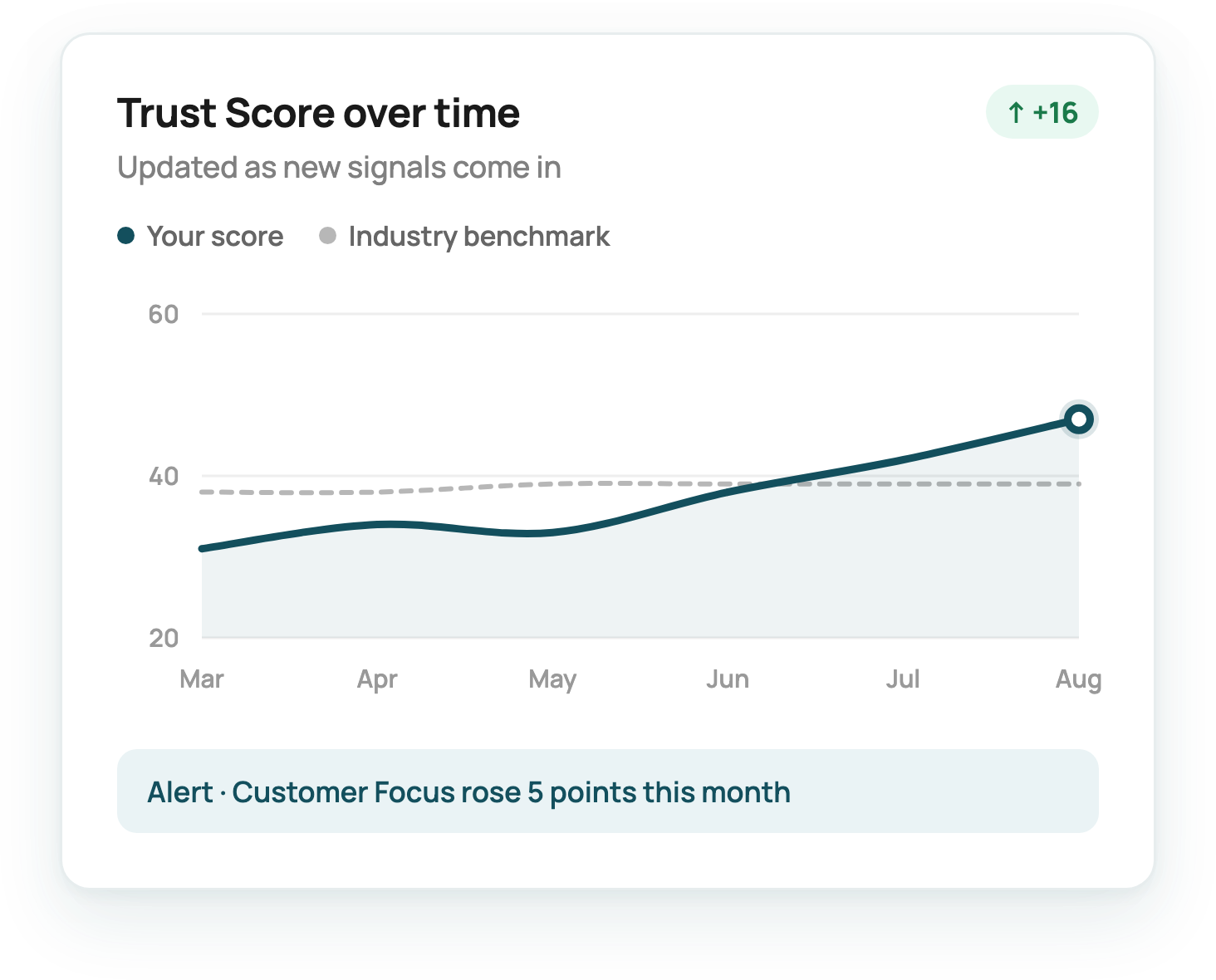
The result is practical improvement in conversion, grounded in evidence rather than assumptions

Try Paavis for free…

Paavis Engine | Instant Feedback‍ ‍BETA

Get Instant feedback on trust/confidence signals from more than 2 mio. persona profiles

Submit any Webpage url and receive natural, think‑aloud reactions from four relevant personas, revealing blind spots and missed opportunities.

Paavis Engine | Competitor Comparison‍ ‍BETA

See your competitive position through the eyes of your customers

Submit any two webpage urls and see which page communicates better, builds more trust, and drives conversion.

Paavis Resources

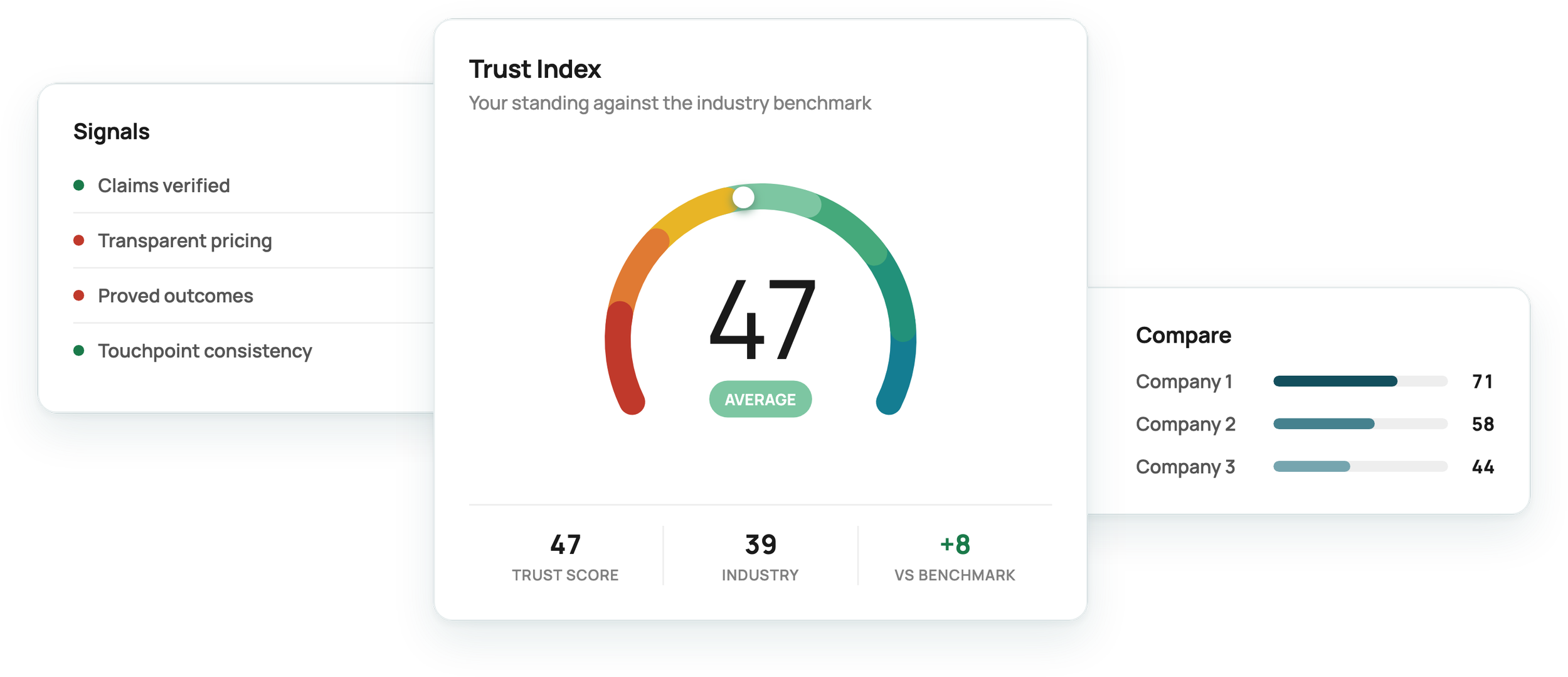
See how leading brands track Customer Trust/Confidence against their industry baseline

The most trusted brands aren’t just memorable—they’re trusted.
Selected market leaders illustrate how clarity and consistency helps Customer’s trust and confidence in their brands exceed their industry baseline.

Audiences

Every type and size of business customer’s trust and confidence to drive conversion

  • High-volume digital brands where clarity, coherence, and seamless journeys drive conversion

    Startup: Early stores struggle to look credible; inconsistent product pages, scattered brand signals, and unclear value propositions slow first purchases.

    SMB: Expanding catalogs and channels create fractured messaging that confuses buyers and hurts conversion rates.

    Enterprise: Regional teams and large product portfolios lead to fragmented experiences that weaken brand trust and reduce purchase velocity.

  • Trust-dependent sectors where transparency and consistent signals reduce perceived risk

    Startup: New entrants lack the credibility cues customers expect—trust statements, compliance signals, and clarity often feel immature or missing.

    SMB: Growth brings complex offerings that produce mismatched disclosures or unclear risk explanations.

    Enterprise: Multiple products, teams, and regions create conflicting messages that undermine perceived safety and reliability.

  • Everyday brands where perception and reliability shape loyalty and repeat engagement

    Startup: Early content and messaging feel uneven, making the brand appear untested or unreliable.

    SMB: Campaigns and channels drift out of alignment, reducing consistency and weakening customer loyalty.

    Enterprise: Large-scale consumer brands struggle to maintain coherent storytelling and uniform quality across markets.

  • Expert-driven services that rely on authoritative, consistent communication to build confidence

    Startup: Needs to signal expertise quickly; case studies, bios, and service descriptions often look shallow or inconsistent.

    SMB: Uneven tone and presentation across consultants and practice areas create perceived credibility gaps.

    Enterprise: Large teams introduce drift in messaging and authority signals, diluting the firm’s expert identity.

  • Subscription platforms that need aligned messaging and dependable experience patterns across all channels

    Startup: Product promises and website claims often misalign with onboarding or UI, creating trust friction in trials.

    SMB: Rapid feature growth leads to disjointed docs, sales materials, and in-product messaging.

    Enterprise: Multiple product lines create fragmented journeys that confuse buyers and slow expansion or renewal cycles.

  • Lifestyle, fitness, and well-being providers where credibility and consistent guidance influence adoption and retention

    Startup: Legitimacy is fragile; wellness claims, guidance, and brand cues often feel untested or unclear.

    SMB: Inconsistent explanations of programs, benefits, or outcomes weaken user confidence.

    Enterprise: Distributed offerings—facilities, trainers, programs—create uneven experiences that reduce trust and retention.

  • Experience-led businesses where trustworthy information, coherent presentation, and expectation-setting shape booking decisions

    Startup: Must convince guests they’re safe and reliable; listings and policies often appear inconsistent or incomplete.

    SMB: Multiple properties or channels produce mixed descriptions, photos, and expectations that lead to drop-offs.

    Enterprise: Global footprints struggle to maintain uniform quality, clarity, and expectation-setting across markets and properties.

Trust as the foundation for sustainable growth

Customers don’t just act because they’re persuaded; they act when uncertainty is resolved.

“Designing for Trust” Is out now…

How designing for clarity, consistency, transparency, and reliable delivery build the trust and confidence required for real decisions in complex, digital and AI-mediated environments.

“Designing for Trust” is available on Amazon for $20.99